Tone Woods for Guitars
Filed Under: Foster Jazz Guitars » Guitar Options » Tone Woods for Guitar
I have included this section on my website in order to explain some of my thoughts about different types of tone woods. There are many crucial elements that are used to determine the way a guitar is going to sound when it is completed. The design, bracing, wood selection, and graduation of the top and back plates play an integral part in creating the desired sound of an acoustic guitar. I will start by sharing some of my experiences with different types of tone woods that are used for the backs, tops, and necks.
Woods for Guitar Tops
Sitka Spruce
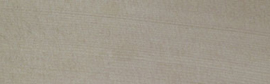
Sitka is the most common wood used for the archtop and flattop guitar. It is also my personal favorite for an archtop guitar top. Sitka produces a bright clear tone that has a very balanced sound. The trebles are quite punchy while the low end retains its clarity. I have also found it to be very versatile. Whether you play it soft with your fingers or you drive it with a pick, Sitka responds very well. The coloration can vary from light tan or yellowish, to light brown and may also have a striped appearance at times. Most of the pieces that I get have a nice tight grain and sometimes a bear claw figure.

European Spruce
European Spruce is a very good wood for tops. It has been used in violin making for centuries. European Spruce can be more difficult to find the same quality pieces as you can get in Sitka or Engelmann. It is a softer wood than Sitka and produces a darker tone acoustically. It is also a versatile tone wood. It sounds great for fingerstyle chord melody as well as pickstyle single note passages. It is not quite as loud acoustically as the Sitka but it will still respond nicely to a variety of playing styles. The coloration is usually a creamy white with a bit of a silvery luster to it. When used in combination with a European Maple back and sides, it gives the guitar a light creamy complexion to its body.

Engelmann Spruce
Engelmann Spruce is another popular choice for a top wood. It is similar to the European in its coloration and sound. It is a softer wood than the Sitka or the European Spruces and is more delicate in strength. It produces a warm sound acoustically and responds well to being played lightly. Weather you play with a pick or fingerstyle, it will sound great. The disadvantage to having an Engelmann top is that it will not respond well to being driven loudly. It has a creamy coloration similar to European Spruce and has been used as a substitute for European tops.

Adirondack Spruce (Red Spruce)
Adirondack Spruce has for years been a favorite for flattop guitar players. It is the stiffest and hardest of all the spruces that I have used. It has also recently become popular for use on archtop guitars. Many luthiers like it because it can be carved very thin due to its stiffness. It responds best when played loudly and would be ideal on a rhythm guitar in a big band or for acoustic bluegrass performances. When played lightly it does not respond as well as the other varieties of spruces that are available. Like European, Adirondack is becoming more expensive and difficult to find than Sitka and Engelmann. Its coloration can vary from a light tan to light yellow and may possess a reddish hue.
Western Red Cedar
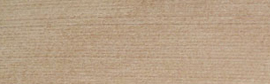
Western Red Cedar has recently been used as a top wood for flattop guitars. I also really like the way it sounds on a smaller bodied 15″ wide archtops. Western Cedar is a soft wood that produces a warm fat tone when played acoustically. Tight grained pieces are easy to locate and are much less costly than any of the spruce varieties. I use Western Red Cedar on my 15″ and 17″ St. Charles Avenue models. This wood coupled with a built-in pickup produces a great sound electronically as well as acoustically. The coloration is reddish or dark brown in appearance and works well with a dark sunburst finish. For those who are skeptical about Western Red Cedar, I assure you that this is a wonderful sounding tone wood with great response.
Woods for Guitar Backs
Big Leaf Curley Maple
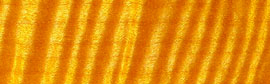
Big Leaf Maple has been used on archtop guitars for many years. Many of the classic guitars like Gibson’s or D’Angelico’s were made with this variety of maple. It is a wonderful tone wood for backs because of its strength and density. The stripes or curls that this wood possesses add to the visual aesthetic of the guitar. Although highly figured pieces are more sought after for a hand built instrument, they do not make the guitar sound any better than a less figured piece. But you can rest assured that I only use the most highly figured quarter sawn pieces on my guitars.
Big Leaf Quilted Maple
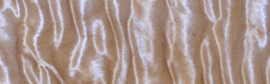
Quilted Maple is similar to Curley Maple in its strength and sound. I have found it to be slightly warmer sounding than the Curley variety due to the fact that it is flat sawn and not quite as hard. The most outstanding feature of quilted maple is its stunning visual appearance. The figure can range from long tubular waves to tiny intense bubble like curls. Quilted Maple is my favorite choice for backs and sides because of its great tonal capability coupled with its striking beauty. It is more costly to buy and more difficult to finish, but having a piece of quilted maple on your guitar is well worth the extra expense.
European Fiddleback Maple
European Maple is an excellent tone wood for backs and sides. When this variety is quarter sawn it produces small intense stripes that usually fall very close to one another. European maple is a softer variety than the domestic maples and produces a warm sound. It has an ivory sheen similar to European Spruce. High quality European Maple is much more difficult and expensive to buy than the high quality Big Leaf variety, but I do keep some nice European backs and sides in the shop for those who would like to have it on their instruments.
Mahogany
Mahogany is not as popular as the maple varieties for archback guitars, but I have found it to be a great tone wood for archtops. Mahogany is less dense than maple but it is very stable and has a warm resonant sound. It is also an excellent wood for necks. I see far less adjustments on the Mahogany necks that I build than the maple ones. The disadvantage in using Mahogany is that it doesn’t possess the same amount of curly figure that maple does and because of its dark reddish color it looks best when used with a darker finish. It is much less expensive to buy Mahogany than it is maple. So, I like to use it on my less expensive models. But you can rest assured that a Mahogany backed guitar will sound equally as impressive as one made with maple.